
Moving to Miami as a visiting researcher: the medical and university corridor — modern research campus and housing guide

Short answer: Moving to Miami as a visiting researcher in 2026 means choosing your address around the corridor that connects the UM/Jackson Memorial medical campus (1600 NW 10th Ave, Civic Center) with the University of Miami’s Coral Gables campus — about a 20-minute Metrorail ride apart. A first-year NIH postdoc earns $63,480/yr ($5,290/mo), which puts the 30%-of-income rent budget at $1,587: a 1-bedroom in Coral Gables averages $2,663 (50% of that stipend — not viable solo), while a 1-bedroom in Little Havana averages $1,616 (right on the line). The literal question behind this guide — “moving to Miami as a visiting researcher in 2026: housing near the medical and university corridor” — has a corridor answer: live near the medical campus in the affordable west corridor, or split a 2-bedroom near Coral Gables.

Updated: October 9, 2026.

¿Prefieres leer en español? Lee esta guía en español

Moving to Miami: the medical and university corridor, mapped

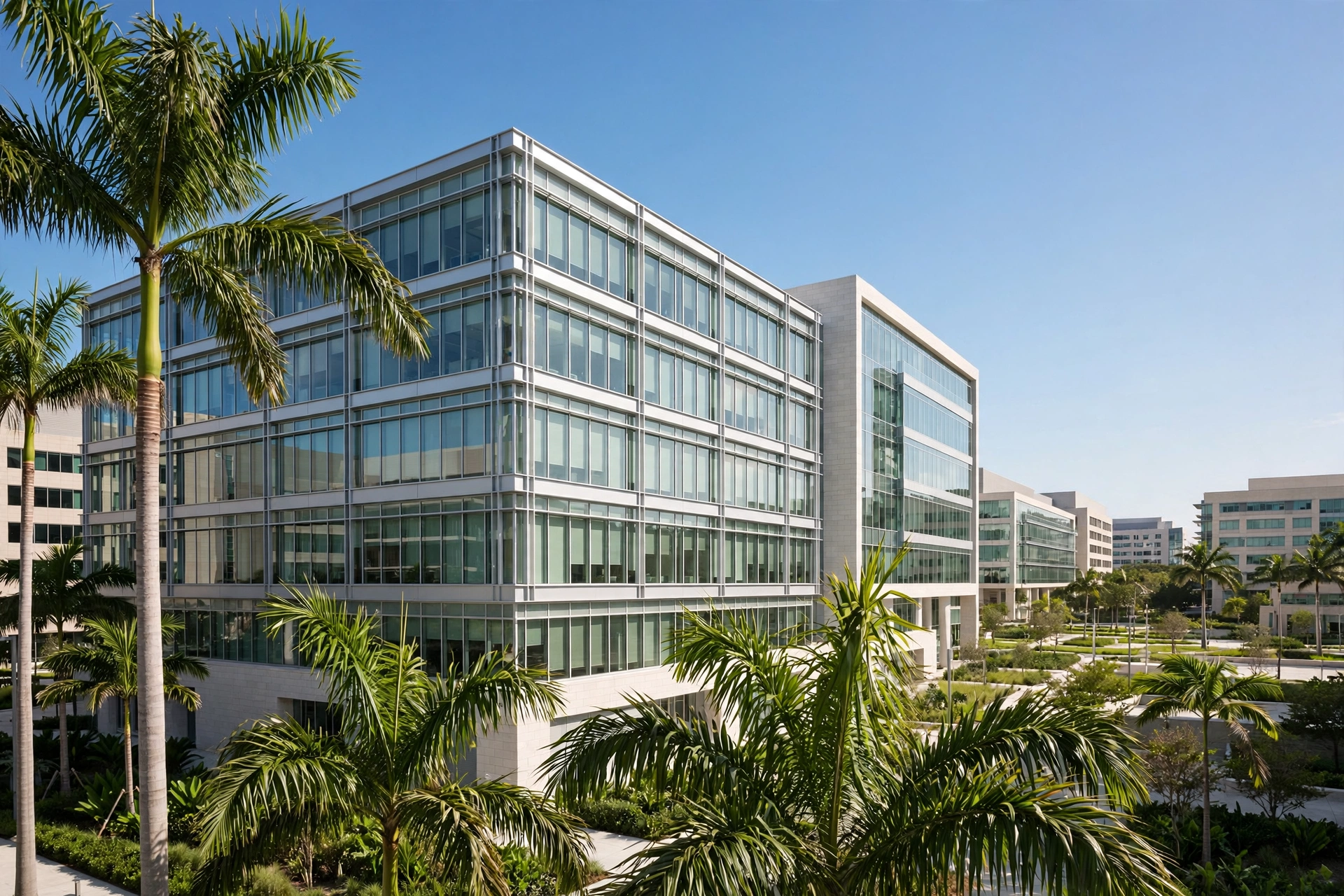
The corridor is the spine a visiting researcher lives on. On the medical end sits the University of Miami’s Leonard M. Miller School of Medicine — 1600 NW 10th Avenue — inside the 153-acre UM/Jackson Memorial Medical Center complex in the Civic Center area, with Jackson Memorial Hospital, the Sylvester Cancer Center and Bascom Palmer Eye Institute around it. On the university end sits UM’s Coral Gables campus. Metrorail ties the two together: Civic Center station on the medical end, University station on the campus end, about a 20-minute ride apart.

That means the housing decision is not “where in Miami” but “which end of the corridor, and at what price”:

Neighborhood Avg. 1-bedroom rent Position on the corridor
Little Havana (east, near the hospitals) $1,616 (apartments.com) Minutes from the medical campus; ~20-min drive to Coral Gables campus
West Flagler / Grapeland Heights / Allapattah Listings from $1,595/mo seen Oct 2026 (e.g. W Flagler St, 12-month lease) Affordable west belt around the medical campus
Coral Gables $2,663 (apartments.com, Jun 2026); 2BR $4,028 At the university campus end — the premium option

One practical filter: landlords here commonly ask for 3x the rent in household income — so a $1,616 1-bedroom “requires” $4,848/mo of documented income, nearly the whole year-0 NIH stipend. Visiting researchers on J-1 visas should budget for a larger security deposit or a guarantor conversation up front, since there is no US credit history to show.

The cost of living in Miami on a research stipend: does the math work?

The NIH’s FY2026 Ruth L. Kirschstein NRSA scale — the closest thing US research has to a published salary table — sets the benchmark: a year-0 postdoc earns $63,480/yr ($5,290/mo), rising to $77,076/yr ($6,423/mo) with seven or more years of experience. Run the standard 30%-of-gross-income rule against Miami rents and the corridor strategy writes itself:

Visiting scholars on J-1 status are a different case: many come on funding from their home institution, shown on the DS-2019 — and universities do not top it up or guarantee housing. Whatever your funding line says, it has to cover 12 months of Miami rent plus the mandatory J-1 health insurance. Do that math before you sign, not after.

What most people don’t know

UM has no designated housing for graduate students or visiting scholars. The university’s own student paper reports that among Florida’s top five universities, UM is the only one with no designated graduate-student housing — so the “university housing” many researchers expect from their home country simply does not exist here. UM’s International Student and Scholar Services (ISSS) mails pre-arrival information with the DS-2019 covering housing, living expenses, banking and the visa — read it before you start apartment-hunting, not after.

Your J-1 insurance minimums are federal law, not a suggestion. Under 22 CFR 62.14, every J-1 scholar (and every J-2 dependent) must carry at least $100,000 in medical benefits per accident or illness, $25,000 in repatriation-of-remains coverage, $50,000 in medical evacuation, with a deductible no higher than $500 — for the entire stay. Willful failure can terminate the exchange program. Price this into the move before comparing rents.

Miami’s default lease is 12 months; many research stays are not. A 6- or 9-month fellowship does not fit a standard 12-month lease. The honest options are a sublet or a furnished mid-term rental with the landlord’s written permission — and furnished units cost meaningfully more per month. Match the lease length to your DS-2019 dates before committing.

The Metrorail is the corridor’s secret weapon. Because both campuses sit on the same rail line, a rental near a Metrorail station — Civic Center on the medical end, University or South Miami on the campus end — can make workdays genuinely car-free. That is a real budget lever: no car payment, no insurance, no parking.

Frequently asked questions

Does the University of Miami provide housing for visiting researchers? No. There is no designated on-campus housing for graduate students or visiting scholars at UM; ISSS provides pre-arrival guidance with the DS-2019, and scholars rent on the private market — which is exactly why the corridor strategy in this guide matters.

Can I rent in Miami on a J-1 visa with no US credit history? Yes. Landlords will ask for your DS-2019, passport and proof of funding; expect requests for a larger deposit, prepaid rent, or a guarantor. Our guide to renting without a Social Security number or credit history covers the full playbook.

Do I need a car as a visiting researcher in Miami? For lab-to-lab life along the corridor, often not: the Metrorail connects the medical campus and the Coral Gables campus in about 20 minutes. For groceries, errands and weekend life outside the corridor, Miami still rewards having a car — many researchers go car-free for the first months and decide later.

Furnished or unfurnished for a 12-month research stay? Unfurnished with a standard 12-month lease is the cheapest per month. Furnished mid-term rentals cost more but save the furniture problem — the right answer depends on your DS-2019 length: match the housing term to the visa term.


Yara Coker — SETTLE, relocation services in Miami.

Want help with your move to Miami?

Moving to Miami as a visiting researcher in 2026? SETTLE maps your housing to the right end of the medical–university corridor, verifies the building and lease terms against your DS-2019 dates, and coordinates the practical side — deposits without US credit history, furnished vs. unfurnished, move-in timeline — so your research year starts organized, not improvised. Tell us your campus and your stipend:

Name

Versión en español: Vivir en Miami como investigador visitante en 2026: vivienda cerca del corredor médico y universitario

### Sources

  • NIH NOT-OD-26-044, NRSA stipends FY2026 (postdoc year-0 $63,480; 7+ yrs $77,076): https://grants.nih.gov/grants/guide/notice-files/NOT-OD-26-044.html
  • University of Miami, Miller School map & directions (Civic Center / UM-Jackson Memorial complex, 153 acres): http://welcome.miami.edu/about-um/campuses/miller-school-map/index.html
  • UM Miller School contact (1600 NW 10th Avenue, Miami, FL 33136): https://med.miami.edu/centers-and-institutes/center-for-patient-safety/contact-us
  • UM ISSS scholar services (pre-arrival info mailed with DS-2019: housing, living expenses, visa, banking): https://isss.miami.edu/scholars/current-international-scholars/services/index.html
  • The Miami Hurricane (2024), UM has no designated on-campus housing for graduate students: https://themiamihurricane.com/2024/10/16/cant-pay-rent-with-a-cane-card/
  • apartments.com, Coral Gables rent trends (studio $2,180 / 1BR $2,663 / 2BR $4,028, data updated June 2026): https://www.apartments.com/rent-market-trends/coral-gables-fl/
  • apartments.com, Little Havana averages (studio $1,293 / 1BR $1,616 / 2BR $2,275): https://www.apartments.com/west-little-havana-property-miami-fl/9p9nbg5/
  • apartmentlist.com, 3255 W Flagler St listing ($1,595/mo, 12-month lease, 3x income requirement): https://www.apartmentlist.com/fl/miami/3255-w-flagler-st
  • UT Dallas ISSO, J-1/J-2 insurance requirements under 22 CFR 62.14 ($100k / $25k / $50k / $500): https://isso.utdallas.edu/immigration-status/maintain-j-1/j-1-insurance/
WhatsAppa>

Stipend scenario 30% rent budget What works in the corridor
NIH year-0 postdoc: $5,290/mo $1,587 Little Havana 1BR ($1,616) — tight but workable
NIH 7+ yrs postdoc: $6,423/mo $1,927 West Flagler/Grapeland 1BR, or a Little Havana 2BR
Two researchers / partner: split Coral Gables 2BR ($4,028) $2,014 each Coral Gables works — but only split
Solo at Coral Gables 1BR ($2,663) 50% of a year-0 stipend Does not work on a postdoc salary